Repos Energy
Fuel and Transportation Scale-up
Introduction
-
In December 2020, I worked for a fuel-distribution scale-up. The scale-up focused on delivering fuel in macro quantities to remote places where location and geography made it difficult for conventional gas stations to work. The scale-up also provided for prospective business owners to buy their own Remote Petrol Pumps - RPPs - container trucks which were equipped with their own security and IOT hardware to provide for fuel distribution and security.
-
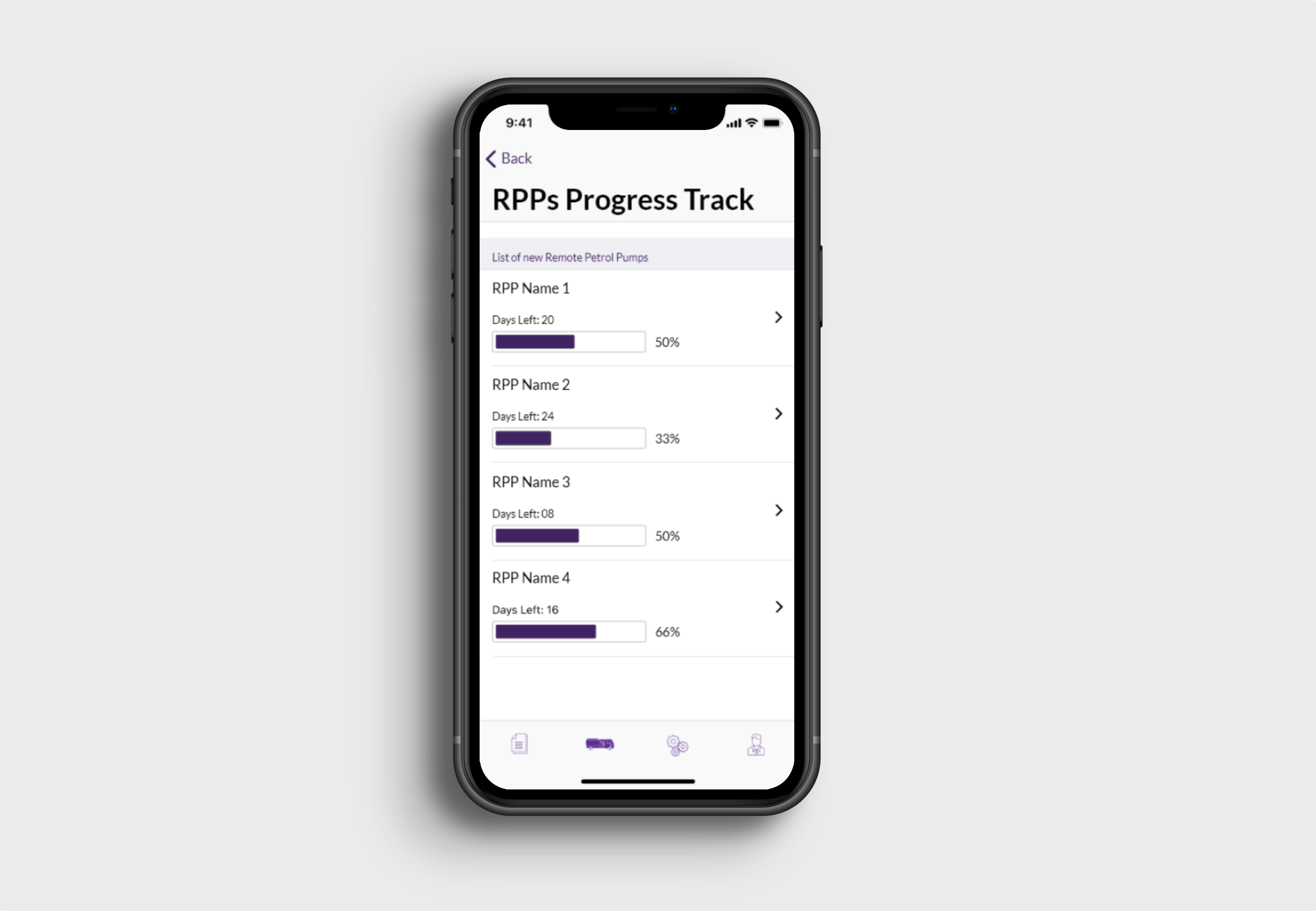
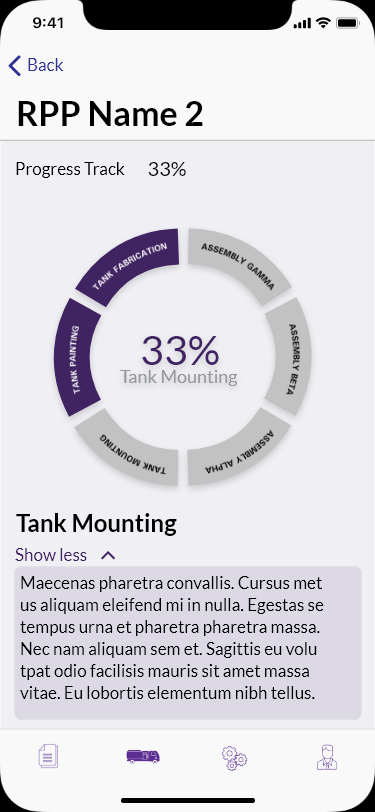
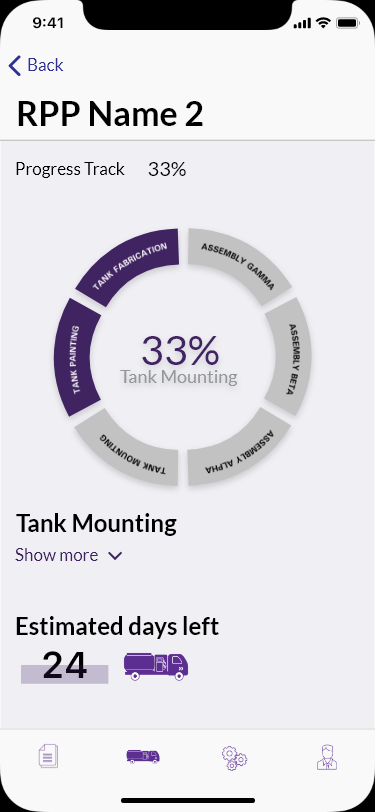
Business owners were having a difficult time consolidating all the information about their RPPs - fuel trucks with embedded hardware - in one place. As such, I designed the IOT and refuelling features for the client-side facing application.
-
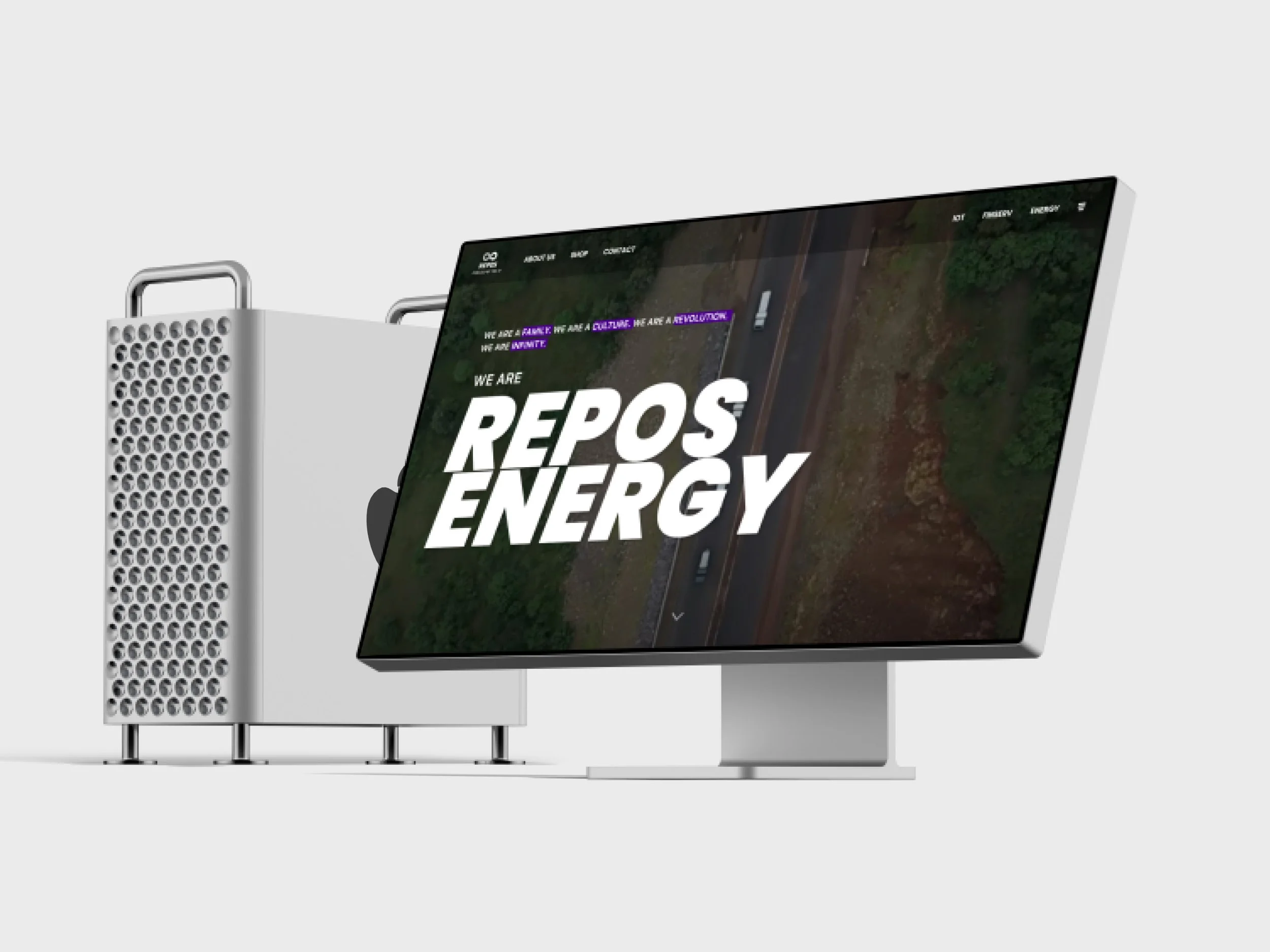
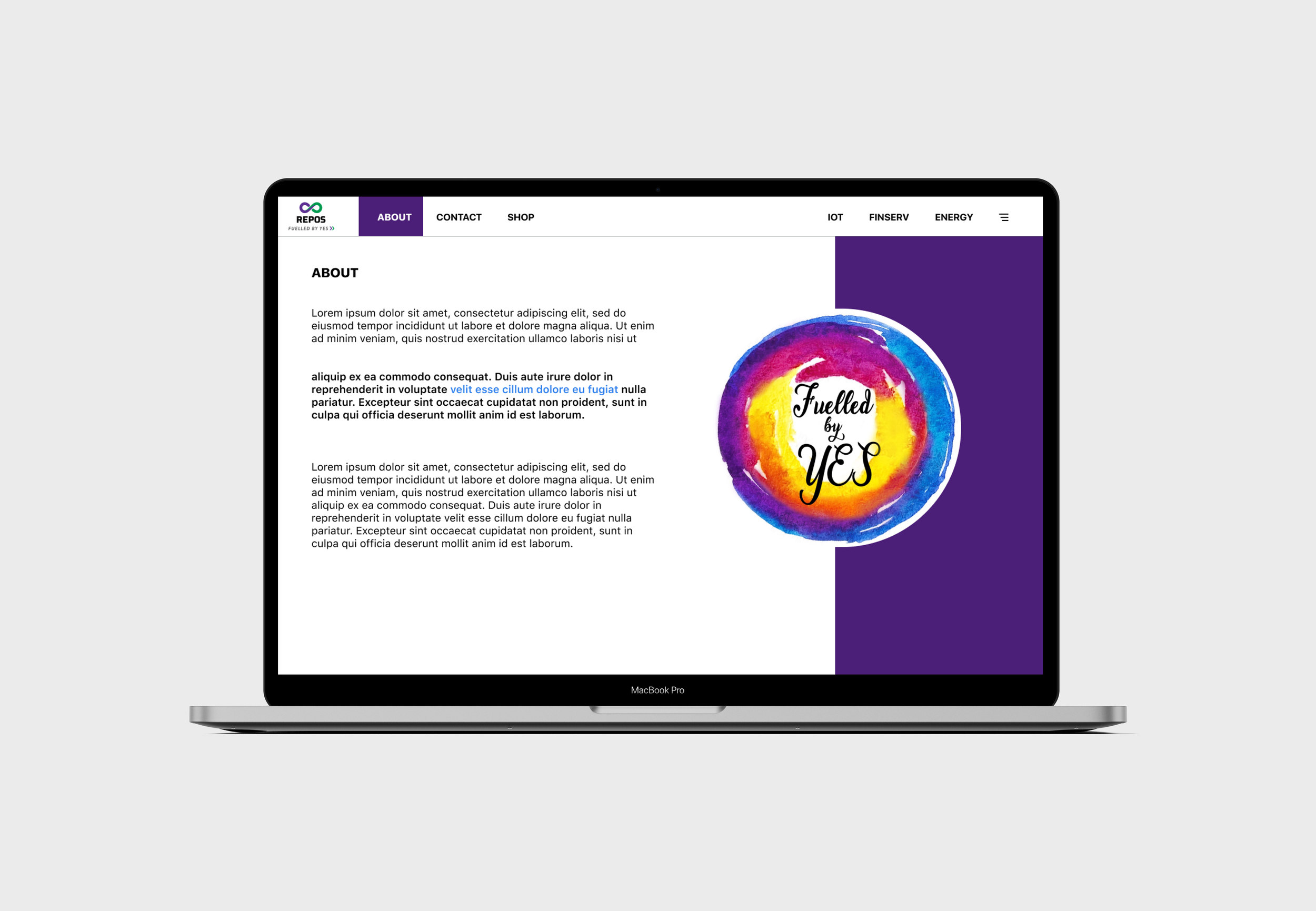
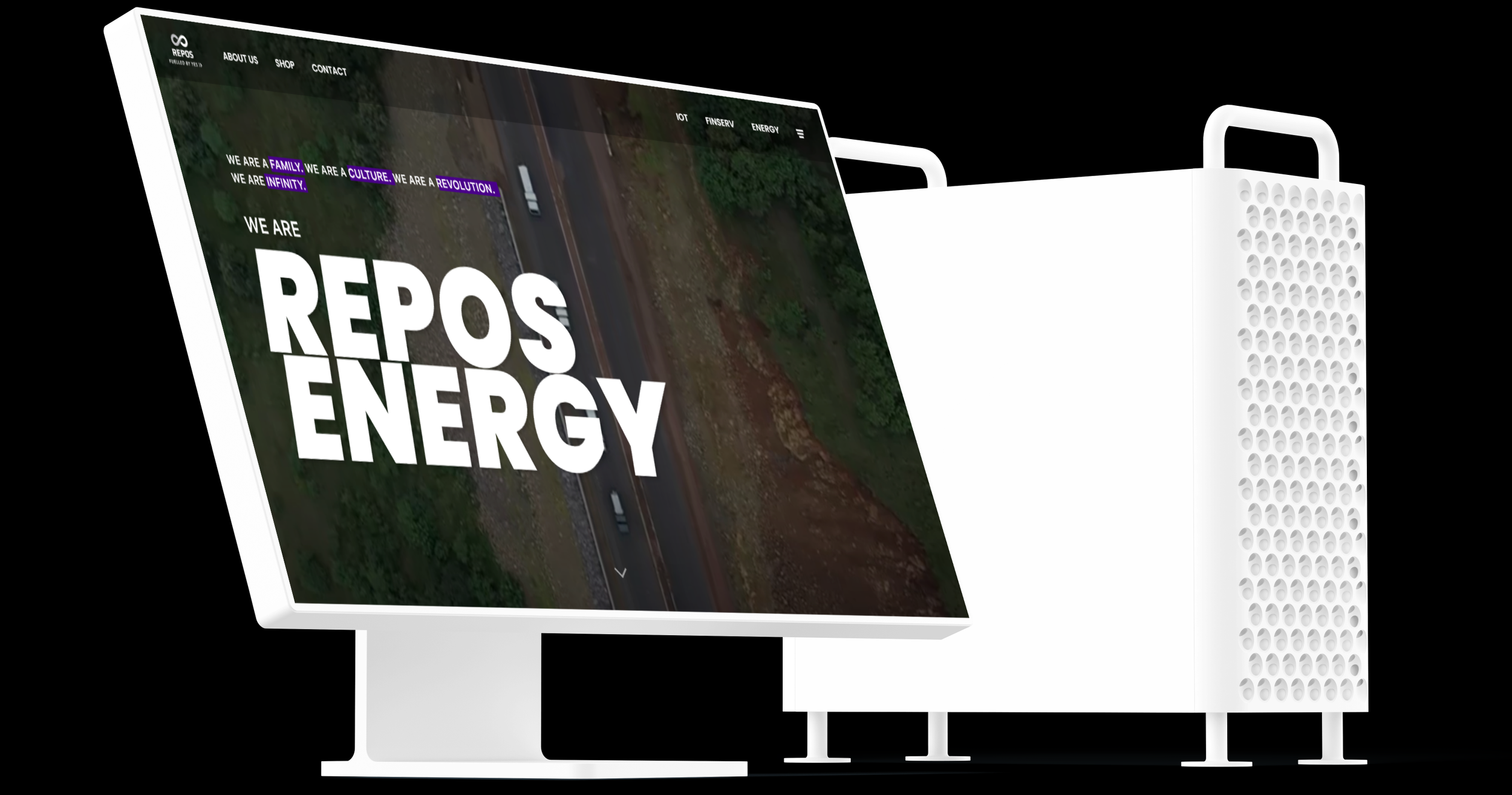
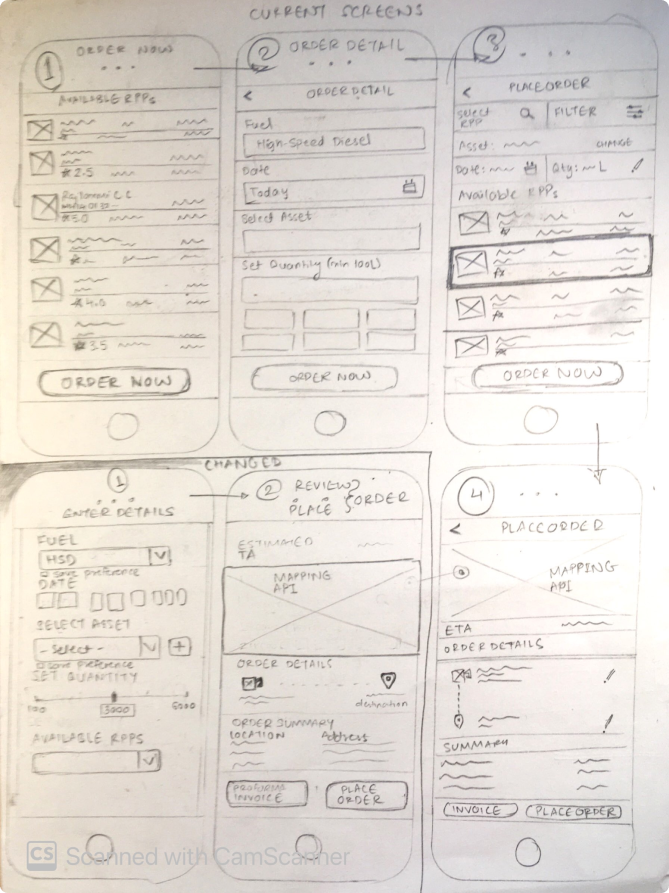
My primary job descriptions were to revamp the existing website interface and restructure the mobile applications - both iOS and Android - with the intention of making obligatory user flows a simpler prospect for the end user.
Optional, feel free to skip
UI UX Design for a website and
C2C native mobile application
Project Plan
I spent the first five weeks working on the website. After that, I worked on client-facing application features.
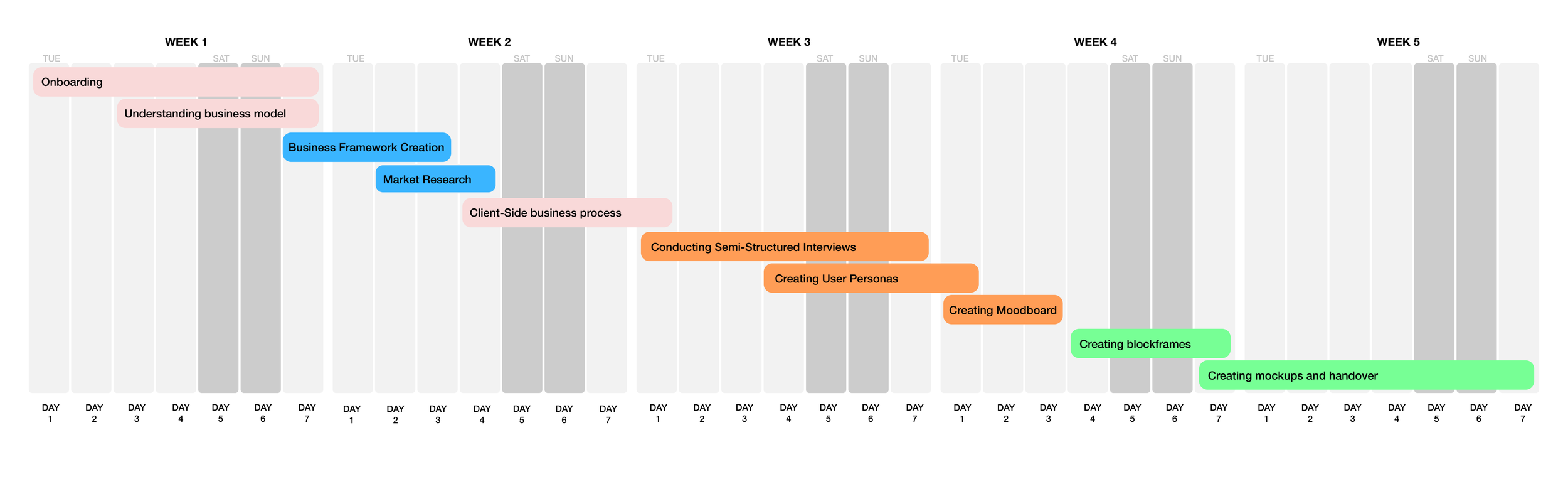
Website Project Timeline
App Project Timeline
Clarifying The Works
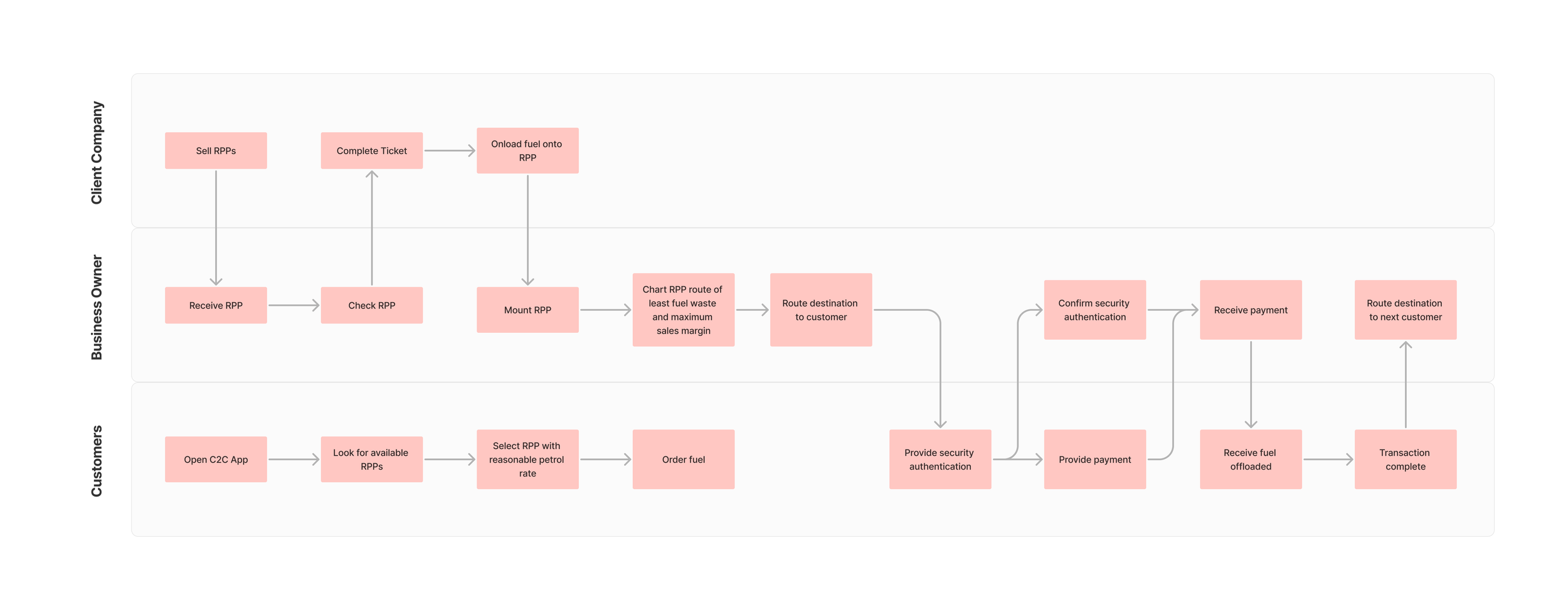
I started with diagramming the business model, since that was the first indicator about the target audience.
Seeing how the personas interacted with each other was very important, since every persona directly affected everyone else’s experience.
Identifying User Concerns
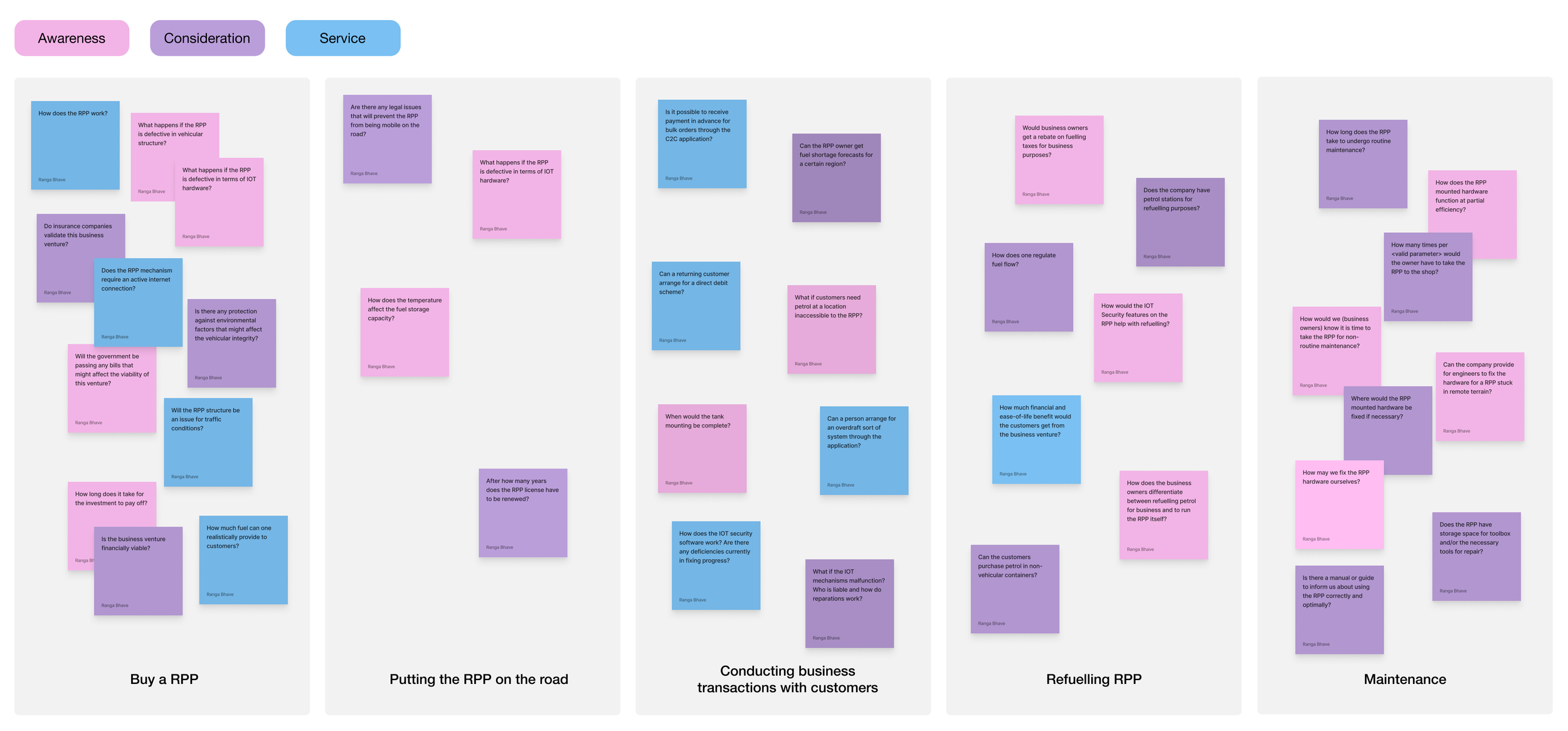
I was given full access to the queries that Partner Success and Direct Sales received from business owners and the end users.
These queries were then sorted by affinity diagramming.
Semi-Structured Interviews
-
15 interviews, ±30 minutes
-
Business Leads and Business Owners
-
12 questions per interview, 7 data points
User Personas
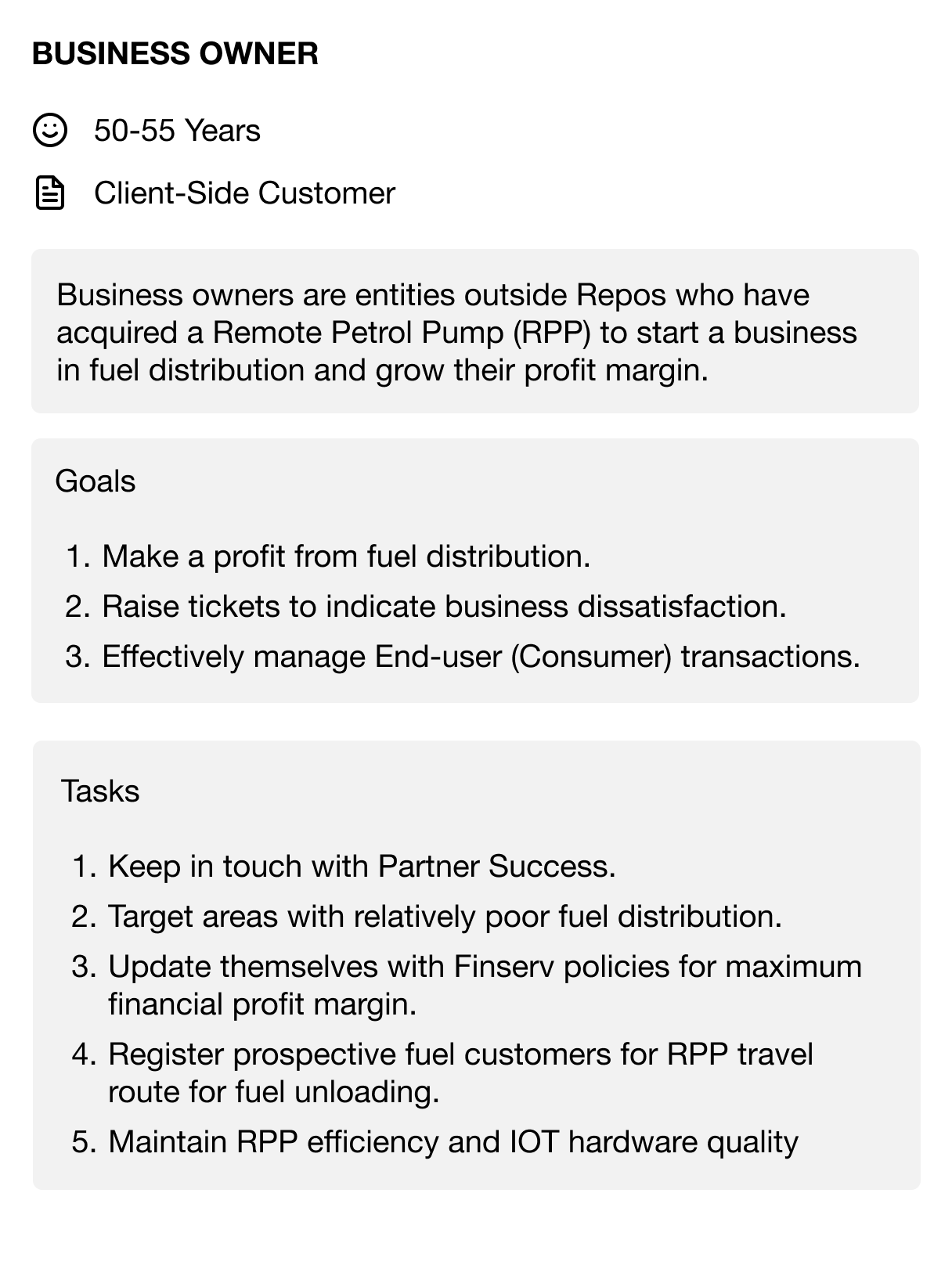
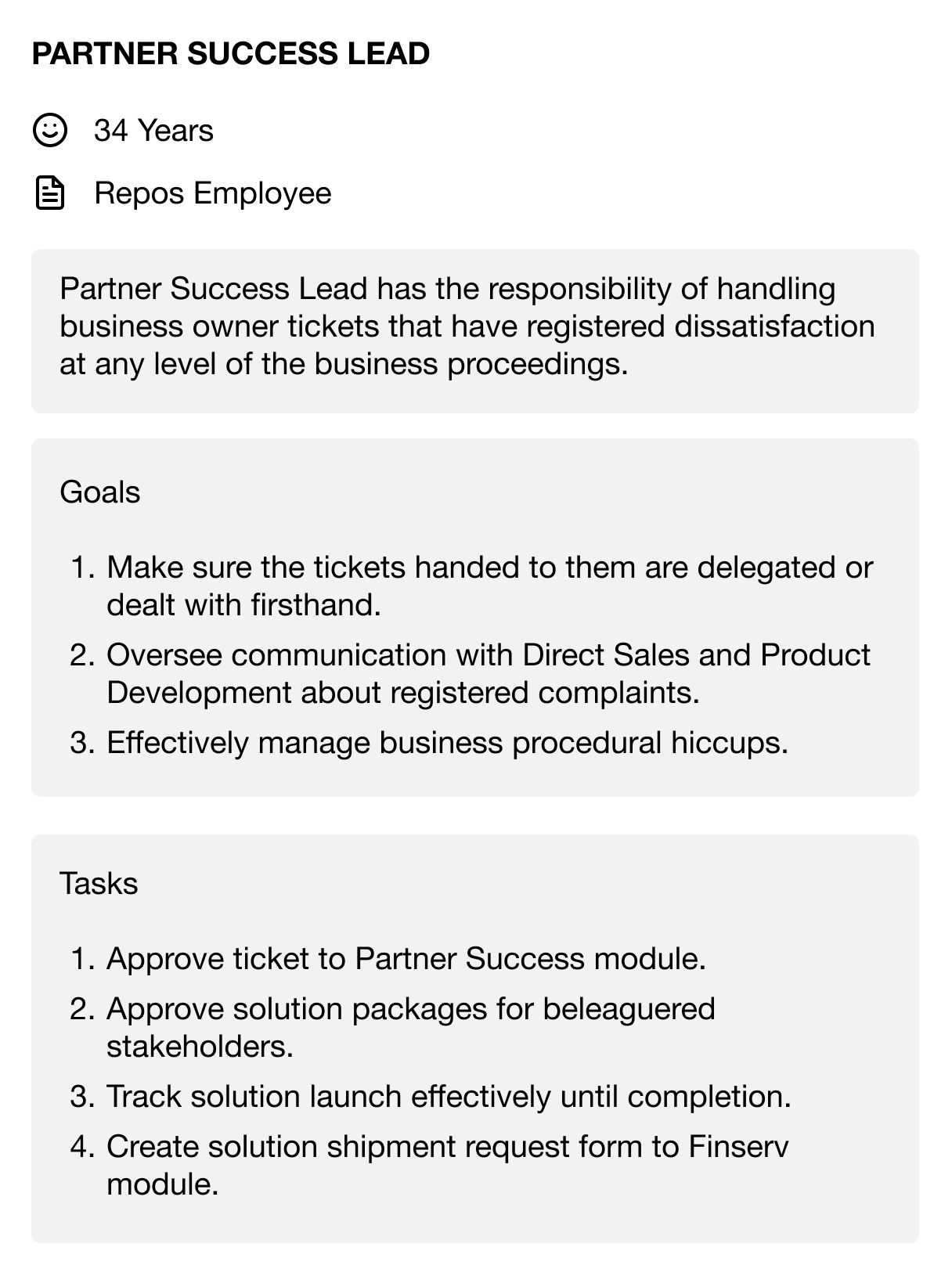
Using the interview data, I created personas for application users with categories based on linguistic comfort and accessibility standards.
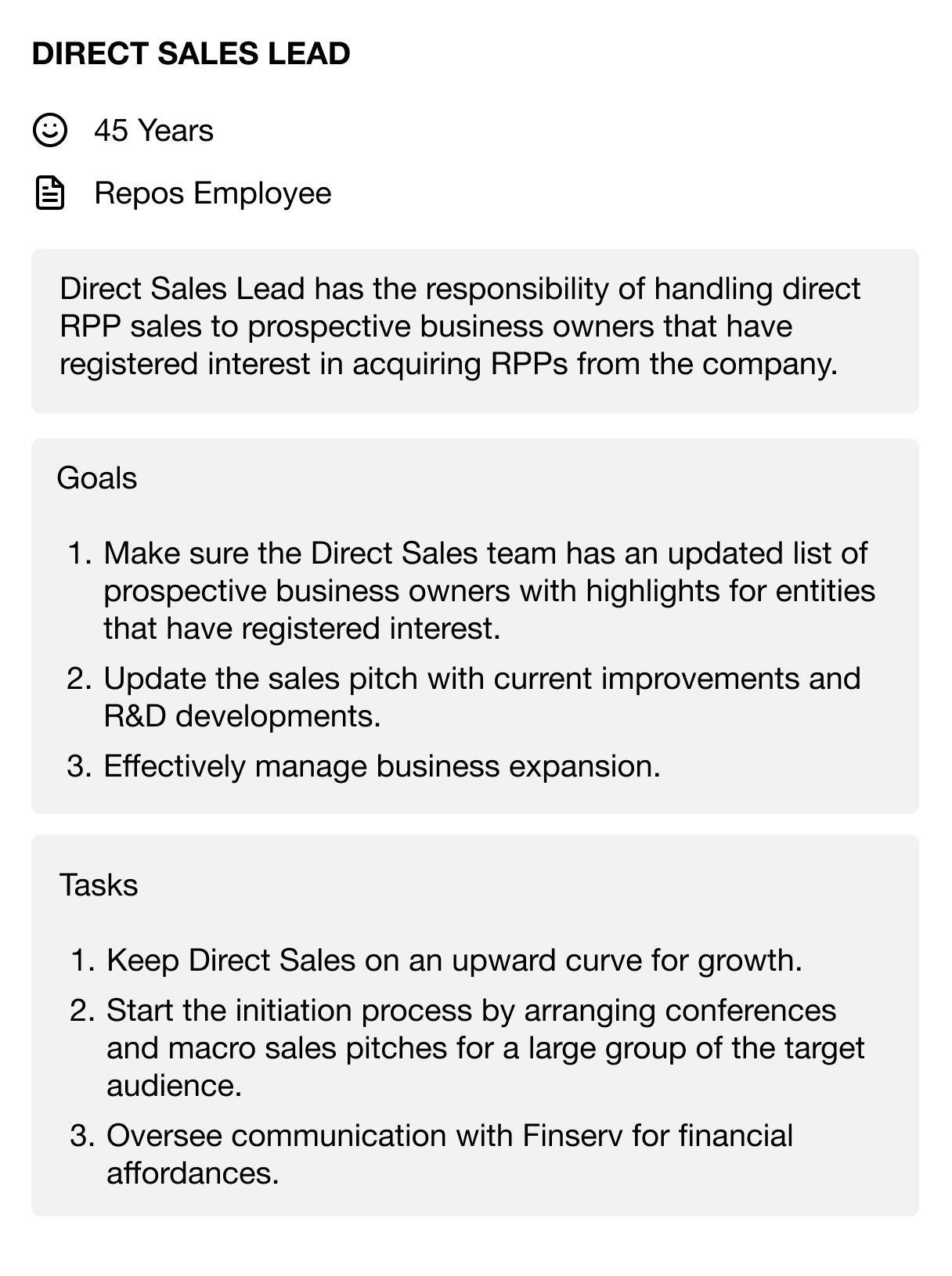
Technological ability needed consideration - the less technologically inclined users required a lot more onboarding.
Leverage Points
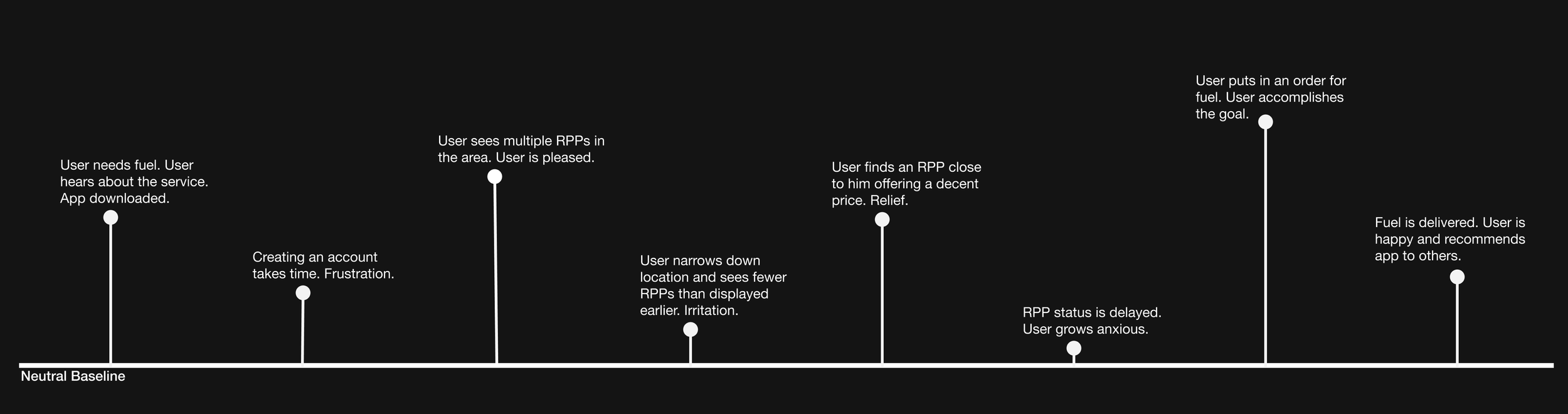
For the client-side mobile application, I had to design a new feature that would increase transaction security for both parties involved.
I mapped out the existing pain points that could be leveraged to improve the experience and business functionality.
Prioritising Processes
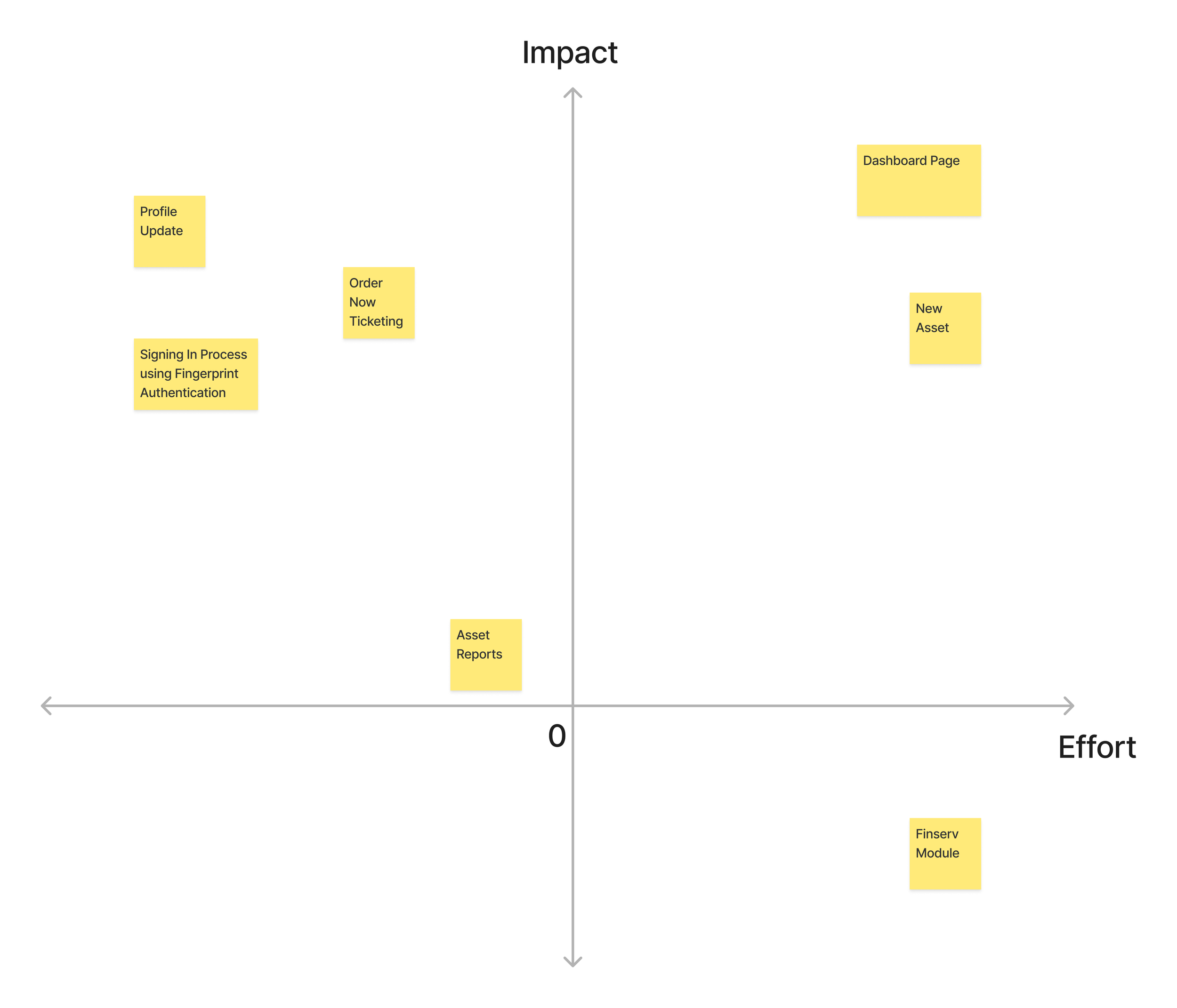
For the mobile application, I used a priority matrix with the x-axis denoting Effort and the y-axis denoting Impact.
Low-impact processes were pushed to the bottom and high-impact processes were at the top of the stack.
Drawings
User Testing
The client-side mobile application required extensive user testing. The QA engineers and I worked together to test the mobile application for design issues such as responsive design and accessibility standards.
Relevant Usability Metrics
-
Time required to complete task.
-
Time required for user to think they have completed the task.
-
Unexpected use cases in MVP flows.
Visual Showcase